Standard first, custom where it counts
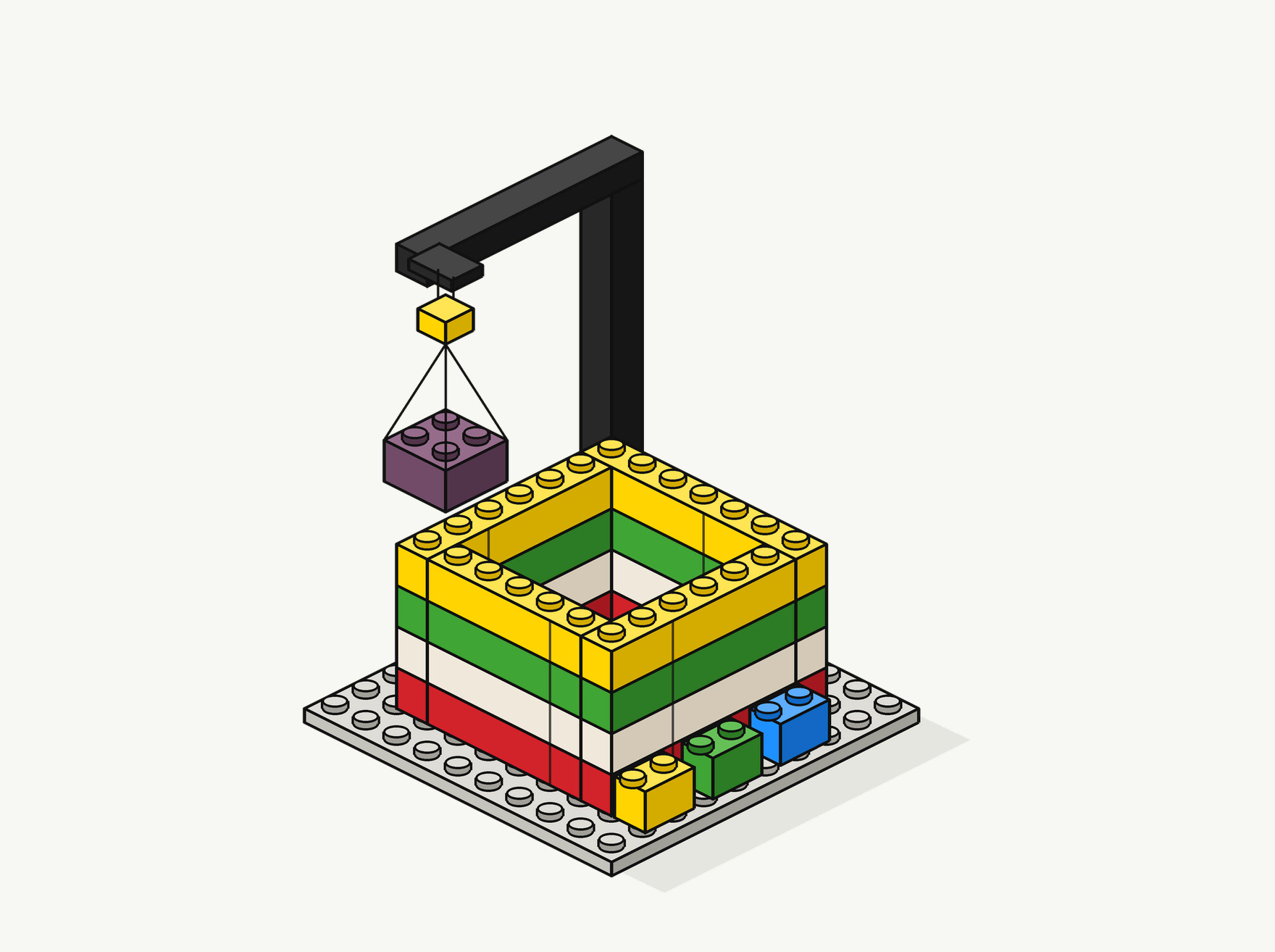
In a typical project, standard Odoo covers around 80% of what a company needs, configured rather than programmed. Custom development is the other 20%, kept to the few areas that make your business different.
80%Odoo standardConfigured, not programmed: sales, purchasing, stock, accounting, invoicing, HR.
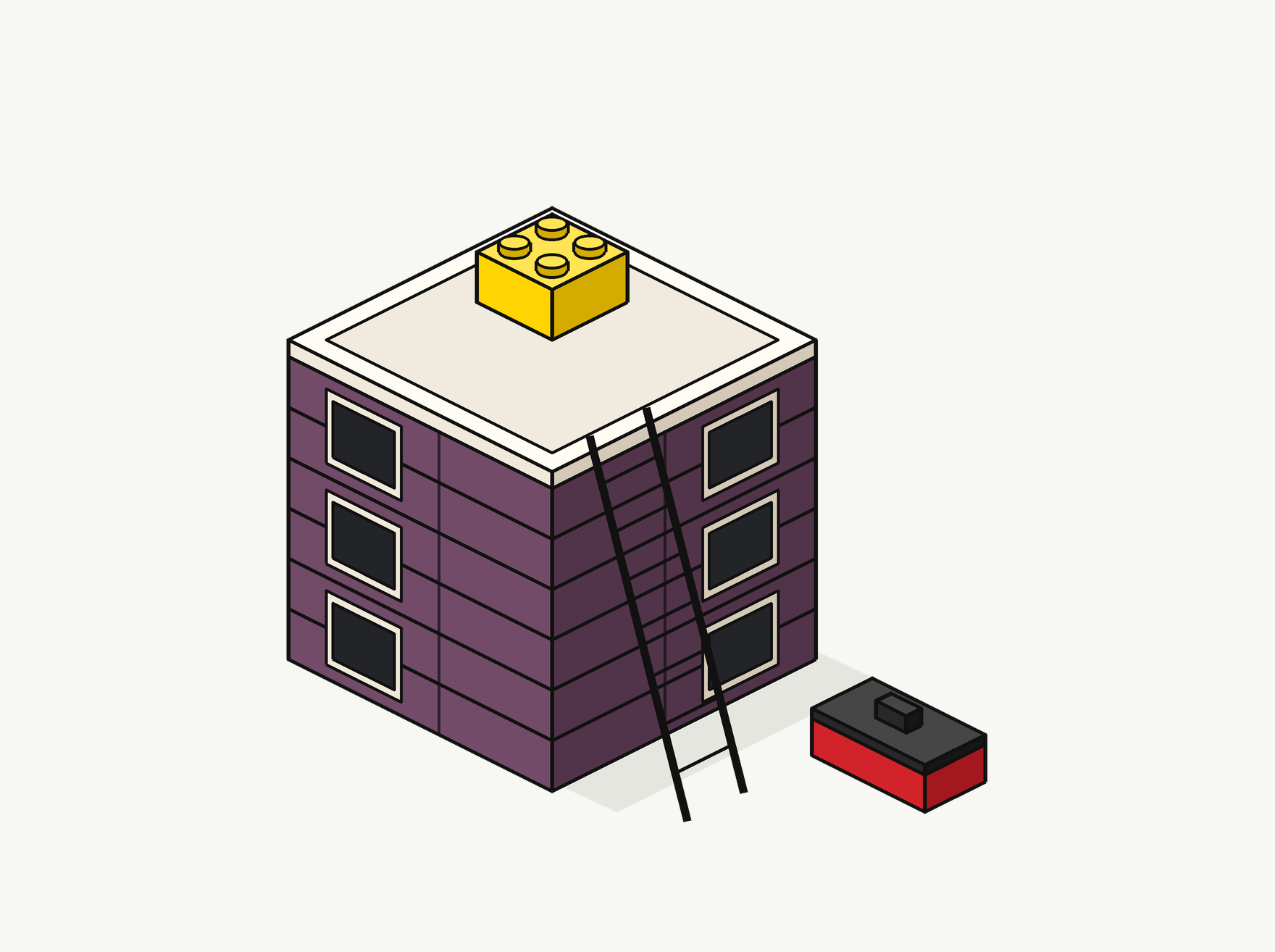
20%Built for youOnly where your business is different: a machine to connect, a hotel system, a rule of your own.
Custom modules that survive upgrades
A custom module is worth building when your business genuinely works differently: a pricing rule, an approval flow, a document your customers expect, a process no standard app covers.
We build on Odoo's own framework, in the same patterns Odoo uses for its apps, so the modules keep working when Odoo changes. Every module is tested, documented and ported to each new version as part of support. The code is yours.
Manufacturing: connecting the machines
In a factory, the most accurate data is on the shop floor. We connect production machines, scales, barcode scanners and label printers to Odoo, so quantities and times are recorded where the work happens instead of being typed in at the end of the shift.
- Machine counters and cycle times feeding work orders in Odoo Manufacturing
- Weights from scales straight into production and quality checks
- Barcode scanning at every step, from receiving to shipping
- Labels printed from Odoo with the right batch and lot data
Hospitality: OPERA Cloud, Cloudbeds and channel managers
Hotels run the front desk on a property management system, and that is where it should stay. We connect it to Odoo, so stays, charges and payments reach accounting automatically, and the rest of the business runs in one place: purchasing, food and beverage stock, and staff.
- Oracle OPERA Cloud and Cloudbeds, through their official APIs
- Revenue and payments posted to Odoo Accounting, with no re-typing
- Purchasing and stock for kitchens, bars and housekeeping
- Staff schedules, time off and payroll inputs in Odoo
Everything else your business runs on
- Online stores and marketplaces such as Shopify, WooCommerce and Amazon
- Banks and payment providers, for automatic reconciliation
- Shipping carriers, for labels and tracking
- The e-invoicing and tax reporting your country requires
- Claude, ChatGPT and other AI clients, via MCP
How we build an integration
First we decide which system owns each piece of data, so nothing is entered twice or overwritten. Then we map the fields, handle the errors so a failed sync raises an alert instead of disappearing quietly, and test with real data before going live. Where a system has no API, we work with scheduled file exports and imports instead.